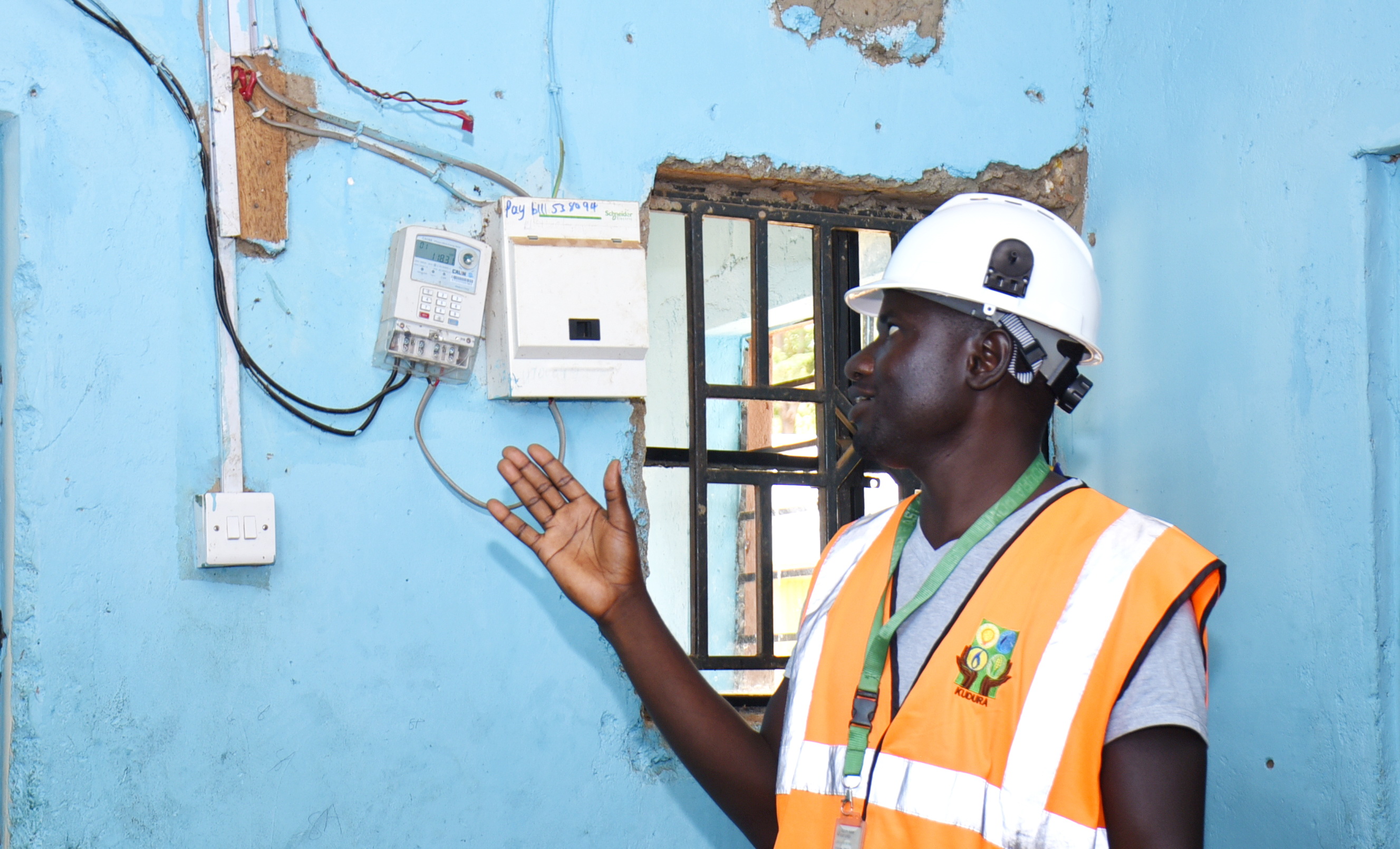
THE MULTI-TIER FRAMEWORK FOR DEFINING AND MEASURING ENERGY ACCESS (MTF) RESHAPES THE WAY ENERGY ACCESS IS MEASURED
GOING BEYOND TRADITIONAL BINARY MEASURES
The MTF goes beyond the traditional binary measures of ‘connected or not connected’ for electricity access and ‘solid versus nonsolid fuels’ for cooking. It was developed by the World Bank’s Energy Sector Management Assistance Program (ESMAP) in consultation with international partners and moves measurement well beyond the approach currently used to track progress in Sustainable Development Goal (SDG) 7.1.
Following the launch of the MTF Conceptual Report Beyond Connections: Energy Access Redefined in June 2015, the MTF initiative began conducting surveys across a growing number of countries in order to collect a comprehensive set of data at the country level.
It identifies the reasons why users lack access to energy, or why their usage is limited. (For example: by capacity, reliability, or affordability constraints).
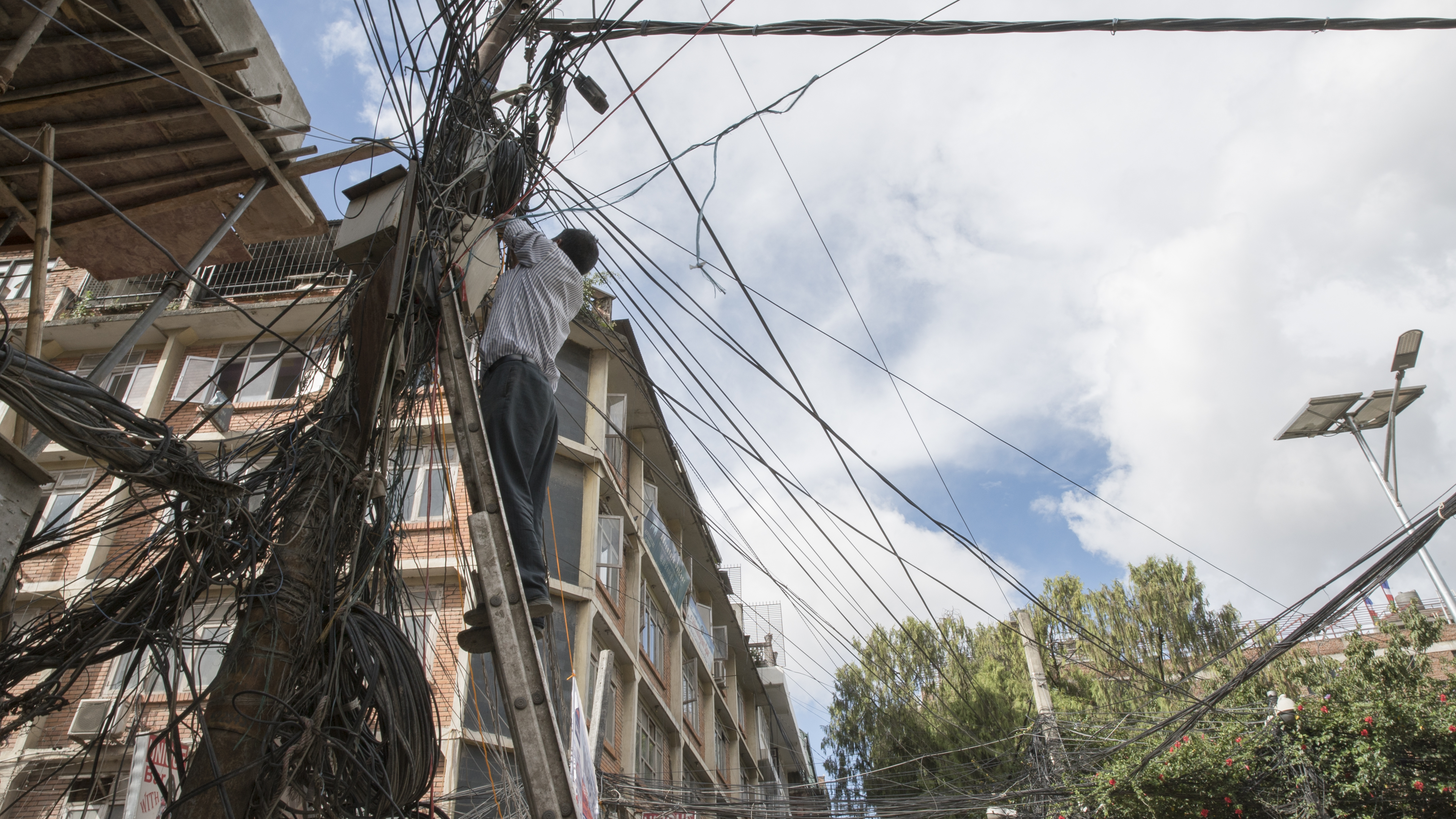
PROVIDING COUNTRY DIAGNOSTIC REPORTS TO INFORM THE POLICY-MAKING PROCESS
Survey data are analyzed to deliver an innovative narrative about the country’s energy status, acknowledging that energy access is measured across a spectrum of service levels experienced by households, businesses, and institutions. Findings are presented in Country Diagnostic Reports meant to inform the policy-making process. Access to reliable, affordable, and modern energy services is fundamental to sustainable development as codified in the SDG 7.1. Achieving this goal will require substantial new investments, deployment of innovative technologies, and implementing a wide range of interventions targeted at underserved populations. The success of such interventions largely depends on the availability of data and analytics. The MTF captures specific data that allows governments to identify and understand energy access gaps and develop potential solutions to improve energy services. It identifies the reasons why users lack access to energy, or why their usage is limited (for example by capacity, reliability, or affordability constraints).

TRACKING SDG 7.1 AND GUIDING ENERGY ACCESS POLICY
The MTF allows for detailed tracking of SDG 7.1 targets while helping governments fine-tune their policies and approaches. The MTF data analysis offers valuable input for policy formulation, investment strategies, project design, utility performance accountability, and monitoring and evaluation. The wealth of MTF data has been utilized by numerous countries, offering valuable market intelligence for the private sector, enhancing sector dialogue with governments, and informing policies and investments to achieve ambitious access targets.
The MTF reveals information on the status of energy access in households, enterprises, and health and education facilities, and it facilitates research on gender inequality. In the context of the COVID-19 pandemic, a comprehensive assessment of the status of electricity access in health facilities was critical for providing necessary support.